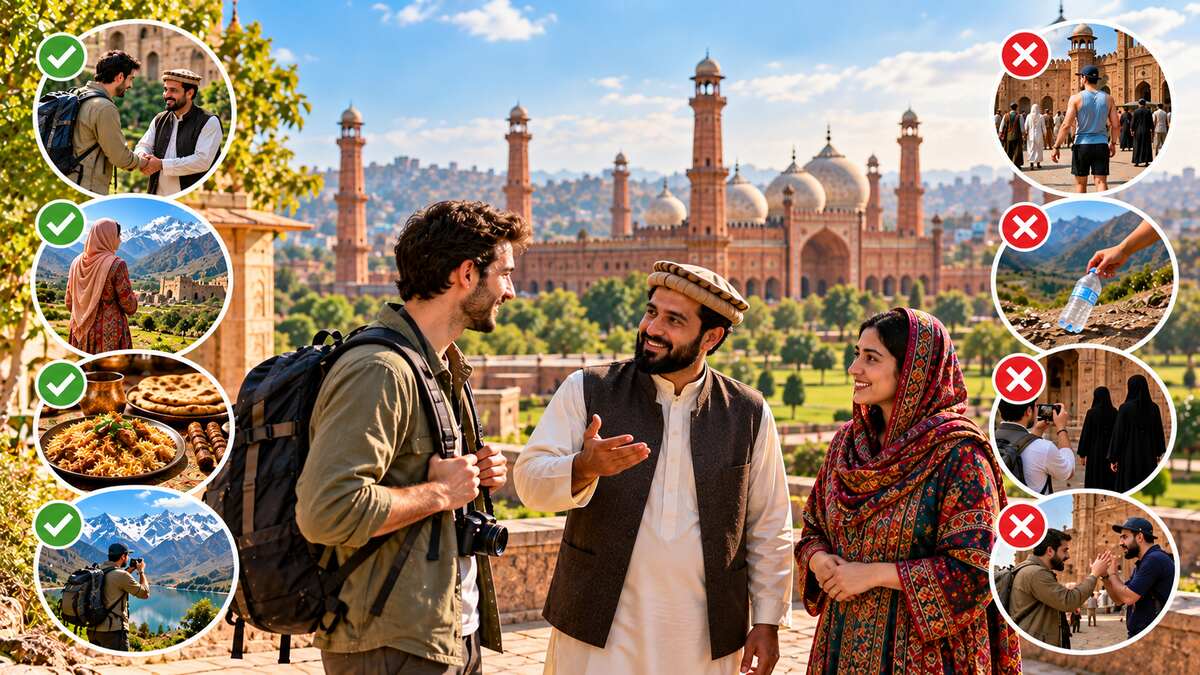
Quick answer: In Pakistan, dress modestly (shoulders and knees covered for everyone, headscarves for women in religious sites), greet people with a handshake or "Assalam-o-Alaikum," remove your shoes before entering mosques and homes, ask before photographing people, and be visibly respectful during Ramadan by avoiding eating or drinking in public during fasting hours. None of this is about rigid rules — it is about showing the same courtesy a thoughtful guest would show anywhere, and Pakistanis are famously warm to travelers who make the effort.
Why Cultural Etiquette Matters in Pakistan
Pakistan is a conservative, majority-Muslim country with deep regional variation — a visit to Lahore's old city, a trek through Hunza, and a beach day in Karachi can each come with slightly different social expectations. Getting the basics right does more than keep you out of awkward moments. It opens doors: locals notice when a visitor has made an effort, and that effort is often repaid with the kind of hospitality Pakistan is known for — impromptu tea invitations, directions that turn into a personal escort, and conversations that go well beyond small talk.
None of this requires memorizing a rulebook. Most etiquette in Pakistan comes down to modesty, respect for religion, and basic courtesy, the same instincts that serve travelers well across South Asia and the wider Muslim world.
Dress Code: What to Wear in Pakistan
Modest dress is the single most important thing to get right, for both men and women. In most cities and all rural areas, that means covering shoulders and knees, and avoiding tight or sheer clothing.
- Women: Loose trousers or a long skirt with a top that covers the shoulders and chest works well. A shalwar kameez (the local tunic-and-trousers outfit) is comfortable, widely available, and an easy way to blend in. Carry a scarf or dupatta — you will need it to cover your head at mosques, shrines, and some rural areas, even if you do not wear one elsewhere.
- Men: Shorts are uncommon outside of upscale gyms or resort areas; long trousers and a T-shirt or shirt are the safe default. Sleeveless tops are best avoided outside of major city gyms and pools.
- Regional variation: Conservative dress matters most in rural Punjab, Khyber Pakhtunkhwa, and Balochistan. Islamabad, Lahore, and Karachi are more relaxed, especially in upmarket neighborhoods and malls, but modest clothing is still the norm rather than the exception.
Packing light, breathable, modest clothing before you arrive will save you from scrambling to buy something appropriate once you land.
Greetings and Social Etiquette
The standard greeting is "Assalam-o-Alaikum" ("peace be upon you"), with the reply "Walaikum Assalam." It works in any region, with people of any background, and saying even this much goes a long way.
- Handshakes: Common between men. Between men and women, wait for the woman to offer her hand first — many Pakistani women, particularly outside the largest cities, will greet with a nod, a hand on the heart, or a verbal greeting instead of a handshake.
- Right hand only: Use your right hand (or both hands) to give or receive anything — money, food, gifts, business cards. The left hand is considered less polite for these exchanges.
- Personal questions: Pakistanis are generally direct and warm, and conversations with new acquaintances can quickly include questions about your family, marital status, or income. These come from genuine interest and hospitality, not rudeness; a friendly, general answer is perfectly fine if you would rather not go into detail.
- Hospitality: If you are offered tea or food in someone's home or shop, accepting at least a little is appreciated. Declining everything can come across as distant, even if that is not the intention.
Visiting Mosques and Religious Sites
Mosques and shrines welcome respectful visitors, including non-Muslims, at most sites outside of prayer times. A few rules apply everywhere:
- Remove your shoes before entering.
- Dress modestly: long sleeves and trousers for men, a headscarf and loose, fully-covering clothing for women. Many major mosques, including the Badshahi Mosque in Lahore, lend scarves or robes at the entrance if you arrive without one.
- Avoid visiting during active prayer times unless you are there specifically to observe quietly from a respectful distance, and never walk through an area where people are praying.
- Lower your voice, and ask before taking photos inside — some sections, particularly around tombs and prayer halls, may not allow photography at all.
These same principles apply to Sufi shrines, which are common across Punjab and Sindh and often have their own local customs around music, offerings, and dress.
Ramadan and Prayer Times: What Travelers Should Know
During Ramadan, the majority of Pakistanis fast from dawn to sunset, and the atmosphere shifts noticeably: many restaurants close or operate reduced hours during the day, and offices and shops often run on adjusted schedules.
- Eating and drinking in public: Avoid eating, drinking, or smoking in public during daylight hours out of respect for those fasting, even if you are not Muslim and are not required to fast yourself. Hotels and some restaurants in tourist areas still serve food discreetly to non-fasting guests.
- Iftar: The sunset meal that breaks the fast is a highlight — if you are invited to an iftar, it is a generous gesture and a memorable way to experience Pakistani hospitality.
- Prayer times: Five times a day, you will hear the call to prayer, and many shops pause briefly, especially for Friday midday prayers (Jummah). Plan around this rather than around it being an inconvenience; it is simply part of daily rhythm.
- Travel timing: If your trip falls during Ramadan, build in flexibility for shorter business hours and slower service, and check whether specific sites or tours operate on a modified schedule.
Photography Etiquette in Pakistan
Pakistan is extraordinarily photogenic, from the Karakoram peaks to Lahore's Mughal architecture, but photographing people requires more care than photographing landscapes.
- Always ask first before photographing individuals, especially women. A smile and a gesture toward your camera is usually enough to get a clear yes or no.
- Be extra cautious with women and children. In more conservative areas, photographing women without clear, enthusiastic consent can cause real offense to the woman and her family.
- Avoid sensitive sites. Military installations, checkpoints, airports, and some government buildings prohibit photography outright, and this is enforced. Look for posted signs and when in doubt, ask.
- Drones require permits in most of Pakistan and are restricted or banned outright near the border regions and in several northern areas — research current rules for your specific route before you pack one.
Common Mistakes to Avoid
- Underdressing for the region: What is fine in a Karachi café can draw stares or worse in a village in Khyber Pakhtunkhwa. Dress for the most conservative place on your itinerary, not the most relaxed.
- Public displays of affection: Holding hands between couples is increasingly tolerated in big cities, but hugging, kissing, or other visible affection in public is not the norm anywhere in Pakistan.
- Pointing your feet or soles at people: In homes and on floor seating (common at shrines, in some restaurants, and in rural households), try not to point the soles of your feet directly at others or at religious objects.
- Refusing hospitality outright: A flat "no" to an offer of tea or food can read as cold. Even a small acceptance, or a warm decline with thanks, lands better.
- Discussing politics and religion carelessly: These topics come up often and can be discussed respectfully, but avoid strong, unsolicited opinions, particularly on sensitive regional and sectarian issues.
Practical Tips for Travelers
- Carry a lightweight scarf or shawl at all times — useful for mosques, sun protection, and sudden dress-code needs.
- Learn a handful of Urdu phrases beyond the greeting: "shukriya" (thank you) and "maaf kijiye" (excuse me/sorry) are used constantly and appreciated.
- Carry small cash for tips and for hospitality situations like being offered tea at a shop — it is common to reciprocate small kindnesses.
- Fridays have a different rhythm nationwide because of Jummah prayers; many businesses close for a window around midday.
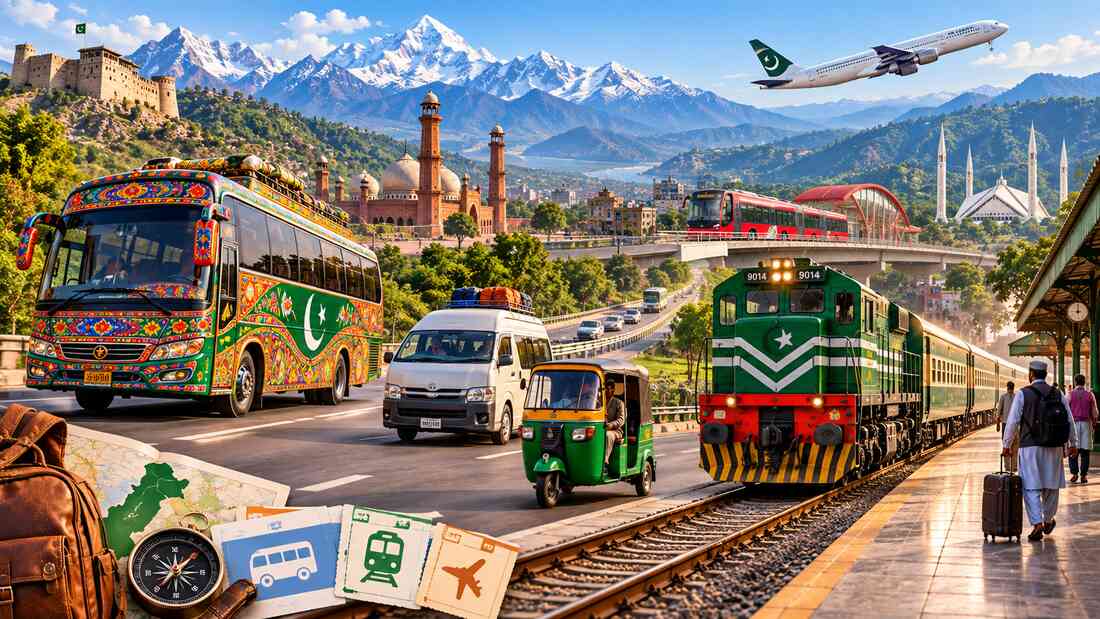
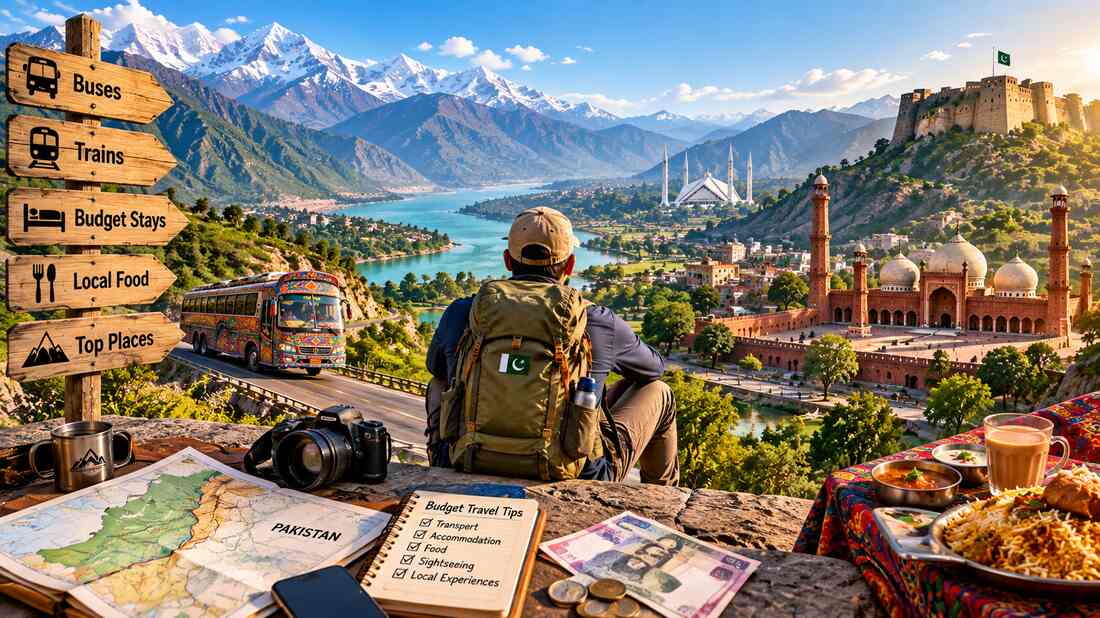
- If you are new to the basics of planning a trip here, the Ultimate Beginner's Guide to Traveling in Pakistan is a good starting checklist, and our guide to traveling Pakistan on a budget covers costs in detail.
- Etiquette expectations shift by region, so it is worth reading up on the specific province or city you are headed to — our city and province guides are a good place to check local norms before you go.
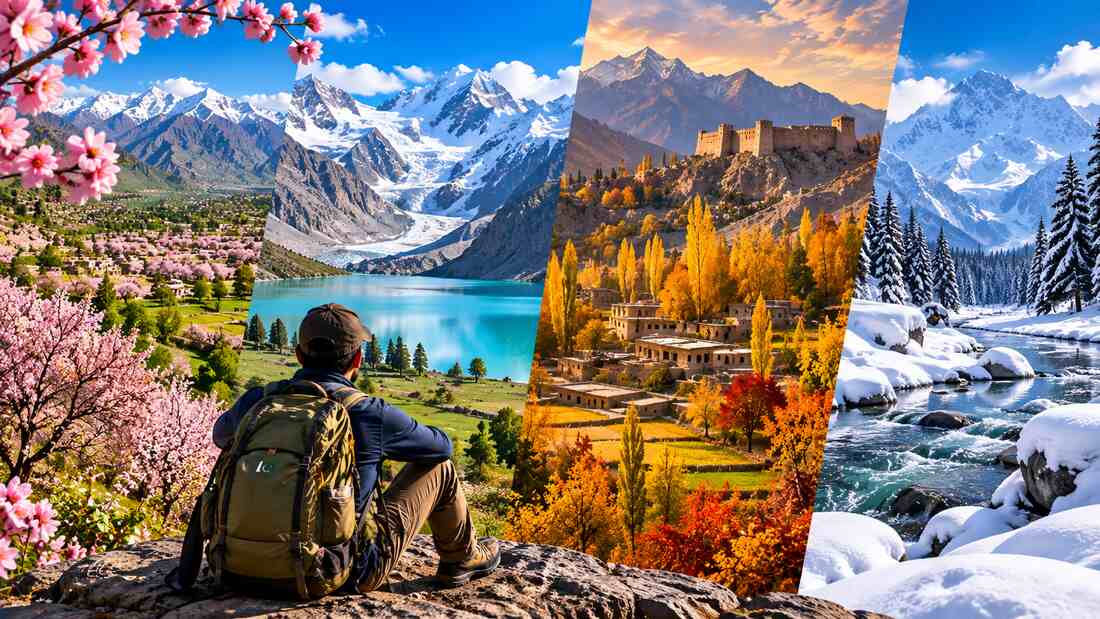
- Timing your trip around comfortable weather also shapes how practical some of this is (lighter layers in summer still need to stay modest) — see our season-by-season guide to the best time to visit Pakistan.
Frequently Asked Questions
Do I have to cover my head in Pakistan?
Not everywhere. You do not need to cover your head in most everyday settings, but you should carry a scarf and use it inside mosques, shrines, and some conservative rural areas, and it is a good idea to have one on hand in Khyber Pakhtunkhwa and Balochistan more broadly.
Can women travel alone in Pakistan?
Yes, and many do, but it requires extra planning: dressing conservatively, avoiding walking alone late at night, choosing reputable transport and accommodation, and being prepared for curiosity and attention, which is usually well-intentioned rather than threatening.
Is it rude to refuse food or tea in Pakistan?
It can come across as cold, since offering tea or food is a core part of local hospitality. You do not need to eat or drink a lot — accepting even a small amount, or declining warmly with thanks, is better than a flat refusal.
Can non-Muslims visit mosques in Pakistan?
Yes, most mosques welcome respectful visitors of any faith outside of active prayer times. Remove your shoes, dress modestly, and avoid photography where it is restricted.
What should I avoid eating or drinking in public during Ramadan?
Avoid eating, drinking, or smoking in public view during daylight hours throughout Ramadan, even if you are not fasting yourself. Many hotels and some restaurants in tourist areas still serve non-fasting guests discreetly.
Is it okay to shake hands with women in Pakistan?
Let the woman initiate it. Many women, especially outside major cities, prefer a verbal greeting, a nod, or a hand on the heart instead of a handshake, and following her lead avoids any awkwardness.
What is considered disrespectful in Pakistani culture?
Public displays of affection, photographing people without permission, pointing the soles of your feet at others, eating or drinking visibly during Ramadan fasting hours, and dressing immodestly in conservative areas are among the most common missteps for visitors.
Final Thoughts
Cultural etiquette in Pakistan rewards the same instincts that serve travelers well anywhere: dress with the setting in mind, ask before you photograph someone, accept hospitality graciously, and give religious practice the space and respect it is due. Get those right, and the rest tends to follow naturally — and you will likely find, as most visitors do, that the warmth you receive in return far outweighs the effort it took.
Had an experience that taught you something about etiquette on the road in Pakistan? Share it in the comments below — it helps other travelers prepare.
0 Comments
Be the first to share your thoughts.
Leave a Comment
Your email address will not be published. Comments are reviewed before they appear.