Islamabad Travel Guide – Attractions, Food & Best Time
Islamabad is the capital of Pakistan, a planned city built at the foot of the Margalla Hills in the 1960s. Wide tree-lined avenues, a grid of lettered sectors, hillside viewpoints and a relaxed café culture make it the calmest and most walkable introduction to the country — and the natural starting point for trips north. The area around Islamabad has been inhabited for thousands of years and sits close to the ancient Gandhara city of Taxila. Villages such as Saidpur preserve a much older way of life within the modern capital. In the late 1950s Pakistan decided to build a new capital away from crowded Karachi. Greek planner Constantinos Doxiadis drew up a grid of sectors separated by green belts, and construction began in 1961. Rawalpindi served as the interim capital while Islamabad took shape, and the new city became the seat of government in the late 1960s. Today Islamabad is home to the country’s parliament, ministries, diplomatic enclave and several leading universities, while keeping far more greenery than most South Asian capitals. Islamabad is cosmopolitan and easy-going. Residents come from every province, so you hear Urdu, Punjabi, Pashto and English side by side. Families gather at parks and viewpoints in the evenings, and joggers and hikers fill the Margalla trails at dawn. The city has a growing arts and café scene, craft markets and museums such as Lok Virsa, which celebrates the folk heritage of all of Pakistan’s regions. It is also quieter and more orderly than most cities, which makes it a gentle first stop for new visitors. Islamabad’s food scene mixes traditional Pakistani dishes with modern cafés and international restaurants. Expect barbecue, karahi, biryani, pulao, nihari and freshly baked naan alongside coffee shops and fine dining. Hilltop restaurants near Pir Sohawa offer city views, while markets such as Jinnah Super and Melody Food Park are good for casual meals and street snacks. For authentic local flavour, cross into neighbouring Rawalpindi’s bazaars. Islamabad International Airport (ISB) handles domestic and international flights and is a short drive from the city. The M-2 motorway connects the capital with Lahore, and the M-1 with Peshawar. Rawalpindi’s railway station and bus terminals also serve travellers heading to Islamabad. Within the city, ride-hailing apps and taxis are the easiest option, and a metro bus line links Islamabad with Rawalpindi. Distances between sectors are long, so plan your days by area rather than trying to cover everything at once. Islamabad is the easiest place in Pakistan to slow down: green, clean, walkable in parts and surrounded by hills. It pairs naturally with Rawalpindi’s energy and with the mountains further north. Whether you are passing through on the way to the Karakoram or staying a few days for its viewpoints, museums and food, Islamabad is a welcoming first chapter in any Pakistan trip. Islamabad is Pakistan’s purpose-built capital, known for its green, orderly sectors, the Margalla Hills, the landmark Faisal Mosque, the Pakistan Monument and a calm, café-friendly pace that contrasts with most other Pakistani cities. The best months are March to April and October to November, when days are mild and the hills are clear. Summers (May to June) are hot, July and August bring monsoon rain, and December to January are cool to cold. Two to three days is enough to see Faisal Mosque, the Pakistan Monument, Daman-e-Koh, Saidpur Village and Rawal Lake. Add a day for a Margalla Hills hike or a trip to Taxila or Murree. The two cities are neighbours and are joined by a metro bus line. Most trips between central Islamabad and Rawalpindi take roughly 30 to 60 minutes depending on traffic. Most international and domestic visitors fly into Islamabad International Airport (ISB). The M-2 motorway links Islamabad with Lahore, and the M-1 links it with Peshawar. Buses and trains serve nearby Rawalpindi. Islamabad is generally regarded as one of Pakistan’s calmer and better-policed cities. Normal city precautions apply, and it is wise to check current travel advisories before you go. Sectors F-6, F-7 and the Blue Area are central and close to restaurants and shopping, while areas near the Margalla Hills are quieter. See our Pakistan hotels page for stays you can check on Booking.com. Yes. Islamabad is the main gateway to the north. Murree and Nathia Gali are a day trip or short stay away, and the Karakoram Highway towards Hunza, Naran and Skardu starts from this region.Islamabad – Pakistan’s Green, Orderly Capital
Islamabad at a Glance
History
Culture & Lifestyle
Top Tourist Attractions in Islamabad
Food & Street Flavours
Getting There & Getting Around
Day Trips from Islamabad
Why Visit Islamabad?
Frequently Asked Questions About Islamabad
What is Islamabad known for?
What is the best time to visit Islamabad?
How many days do you need in Islamabad?
How far is Islamabad from Rawalpindi?
How do I get to Islamabad?
Is Islamabad safe for tourists?
Where should I stay in Islamabad?
Can I visit Murree and northern Pakistan from Islamabad?
This page contains affiliate links — Amazon Associates and CJ Affiliate (AliExpress, Booking.com). We may earn a commission on qualifying purchases at no extra cost to you.
Upmarket
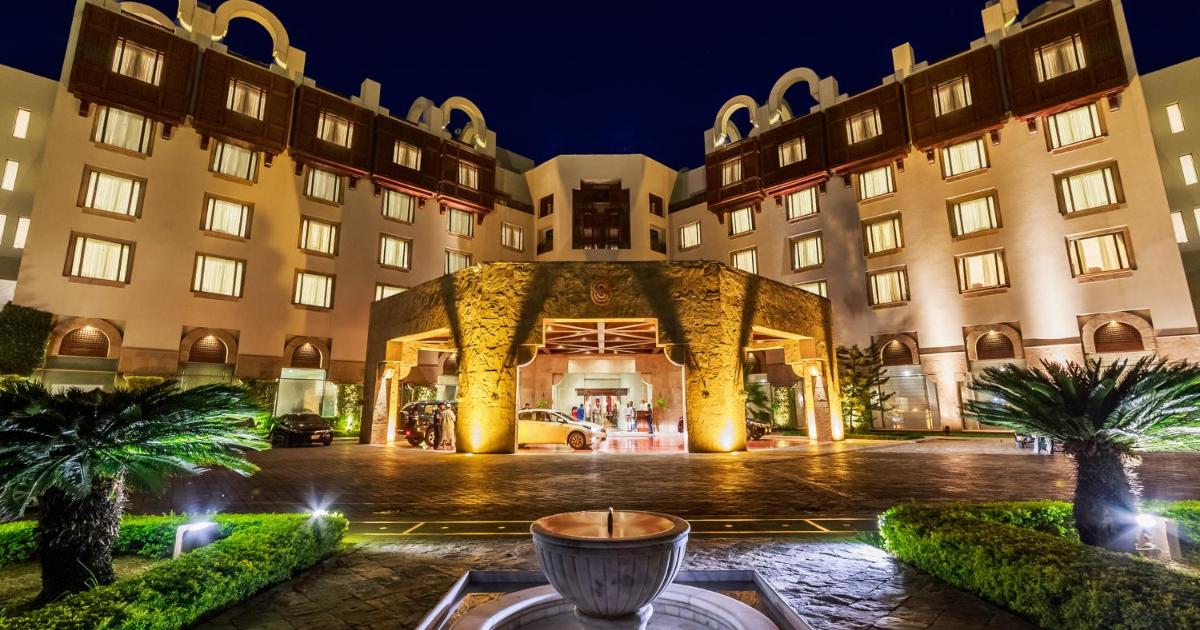
A 5-star landmark hotel set within 14 acres of landscaped gardens in the heart of the capital. Rated 8.5 Very Good from over 1,000 guest reviews.
Upmarket
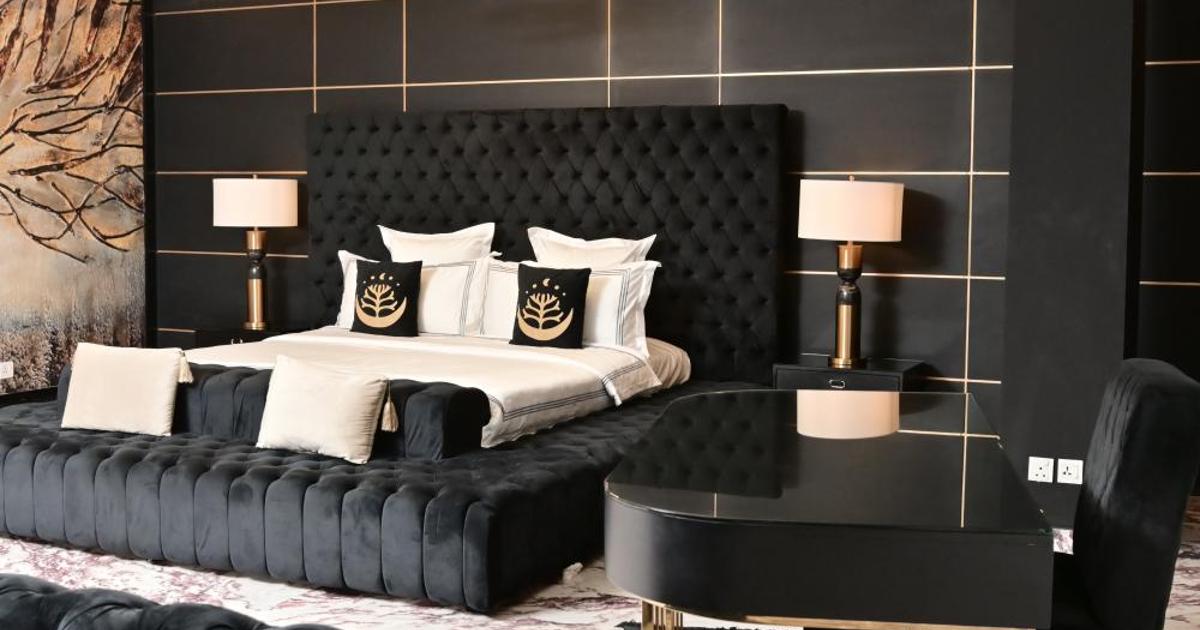
A boutique luxury hotel in F-7 and a member of Small Luxury Hotels of the World. Rated 9.6 Exceptional from 75 guest reviews.
Mid-range
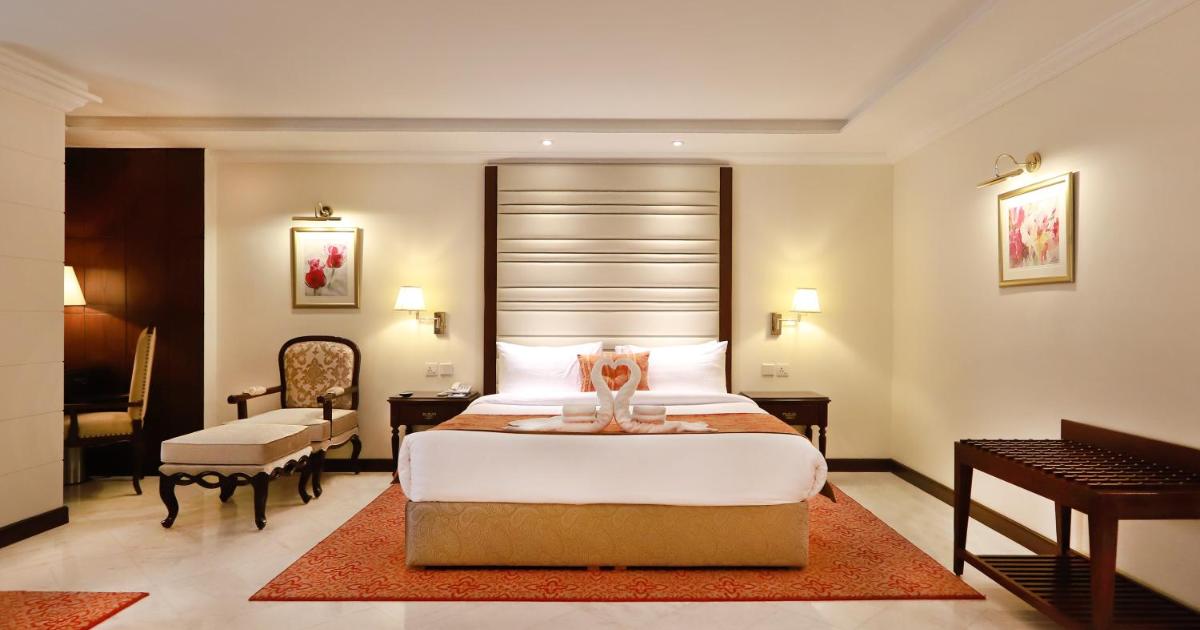
A well-reviewed 4-star hotel in the F-6 sector, close to cafés and Super Market. Rated 9.0 Wonderful from 569 guest reviews.
Mid-range
A G-6 hotel with a fitness centre and garden, praised by guests. Rated 9.3 Exceptional from 378 guest reviews.
Upmarket
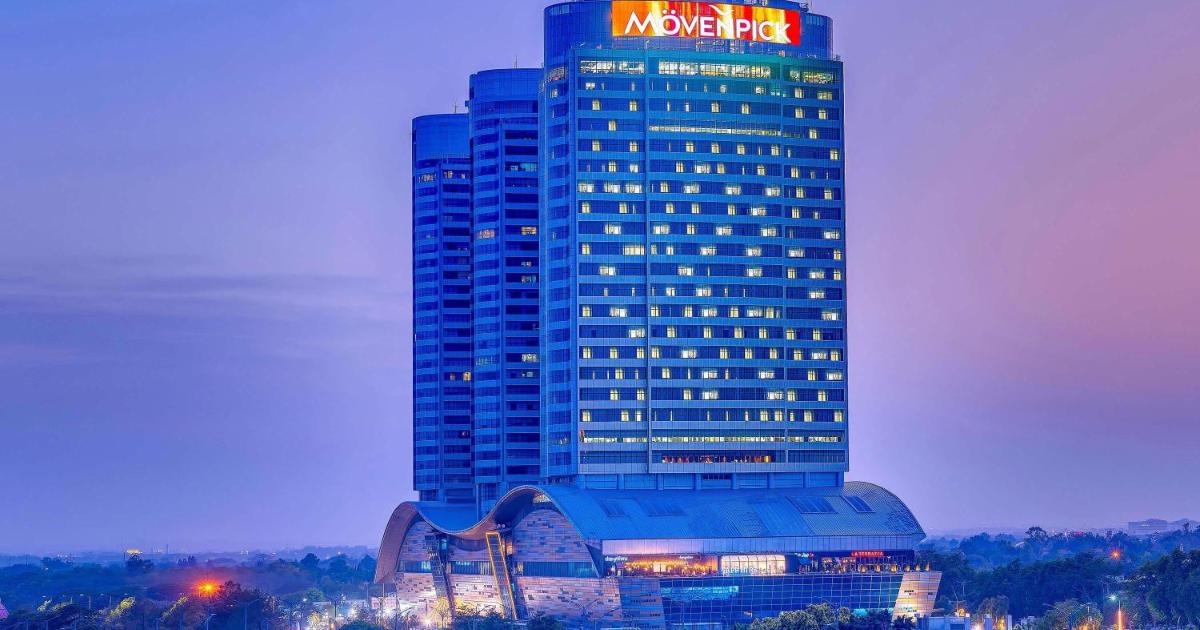
An international-brand hotel in the Blue Area beside Centaurus Mall, popular with business and leisure guests. Rated 8.7 Excellent from 742 guest reviews.
Upmarket
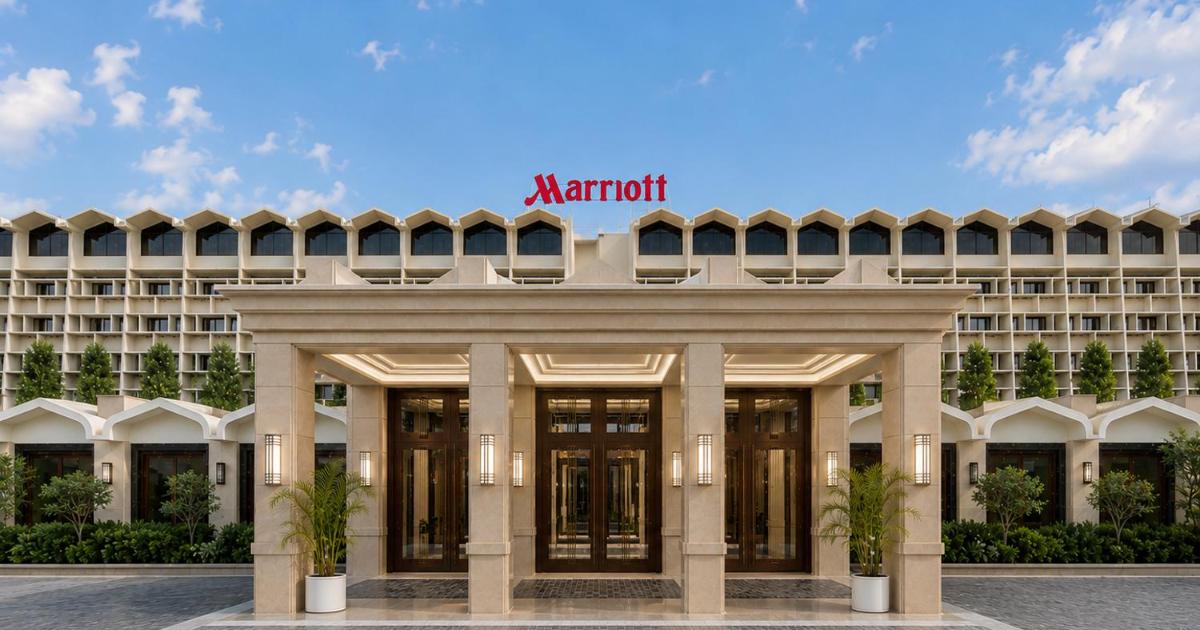
A well-known international hotel with free parking, close to the Margalla Hills and the diplomatic enclave. Rated 8.5 Very Good from 560 guest reviews.
Mid-range
A central Blue Area hotel with free parking, handy for business districts and shopping. Rated 8.6 Excellent from 745 guest reviews.
Mid-range
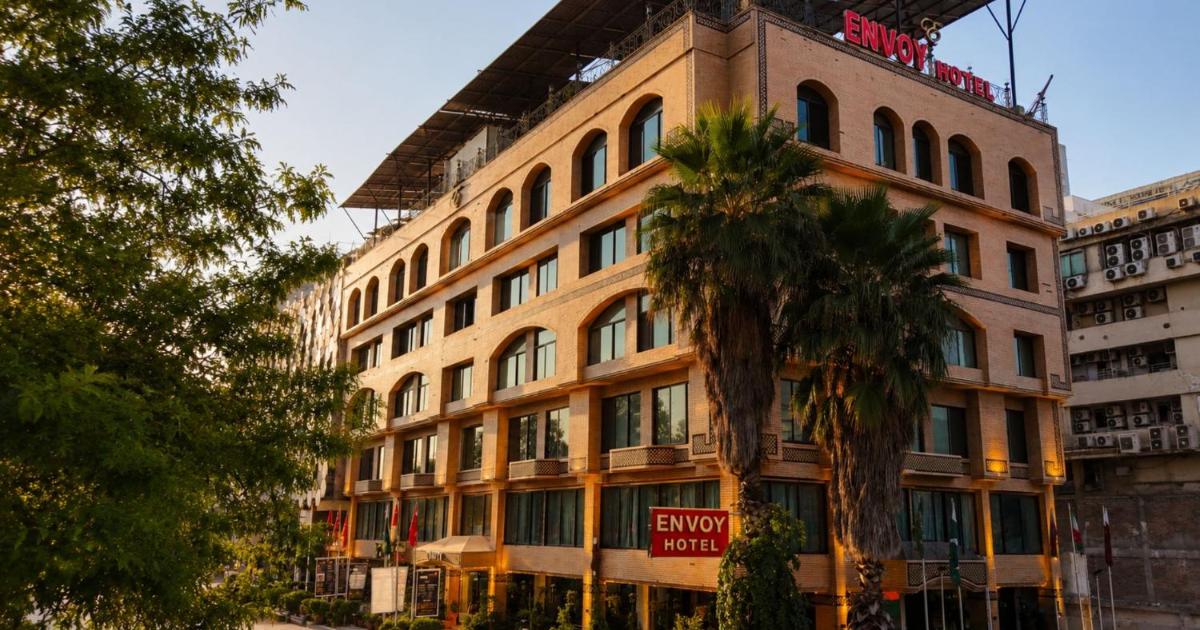
A 4-star stay that guests rate highly for comfort and service. Rated 9.4 Exceptional from 98 guest reviews.
Mid-range
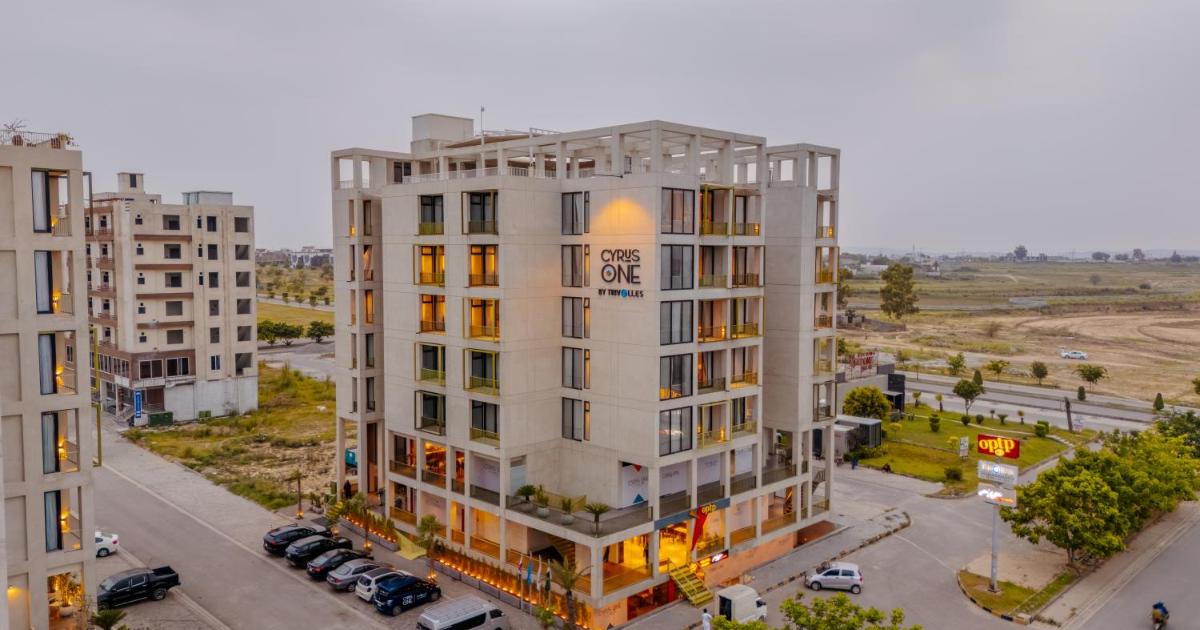
A centrally located Blue Area hotel with a strong guest reputation. Rated 9.1 Wonderful from 193 guest reviews.
Budget
A boutique hotel in the central G-6 sector, popular with travellers for its location and value. Rated 8.5 Very Good from 484 guest reviews.