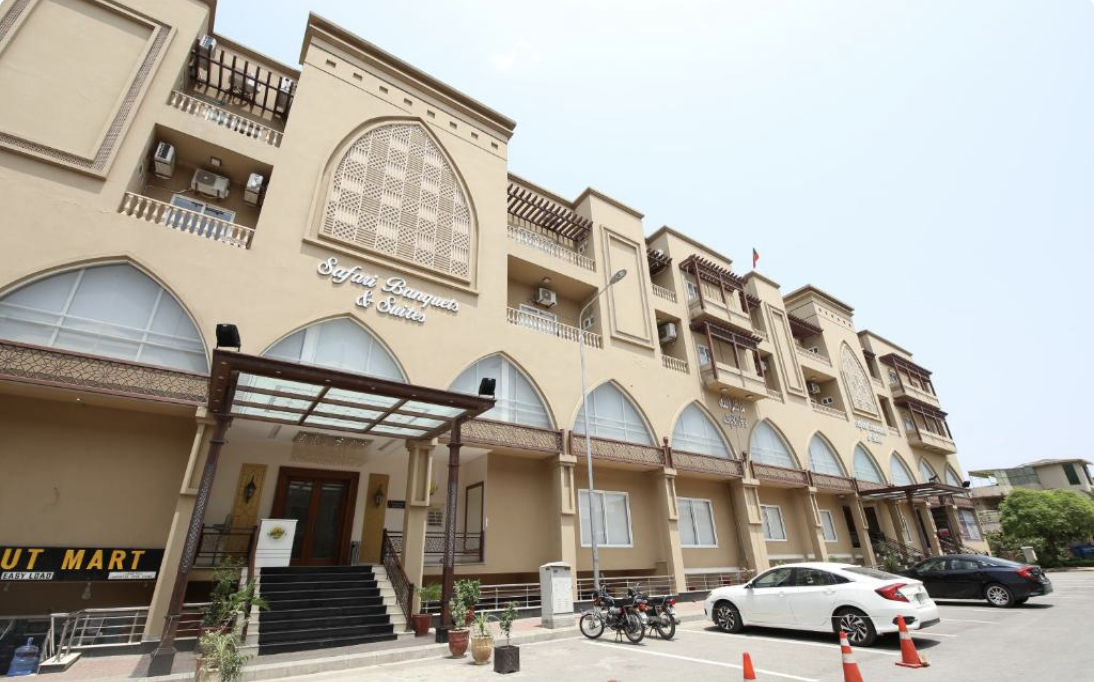
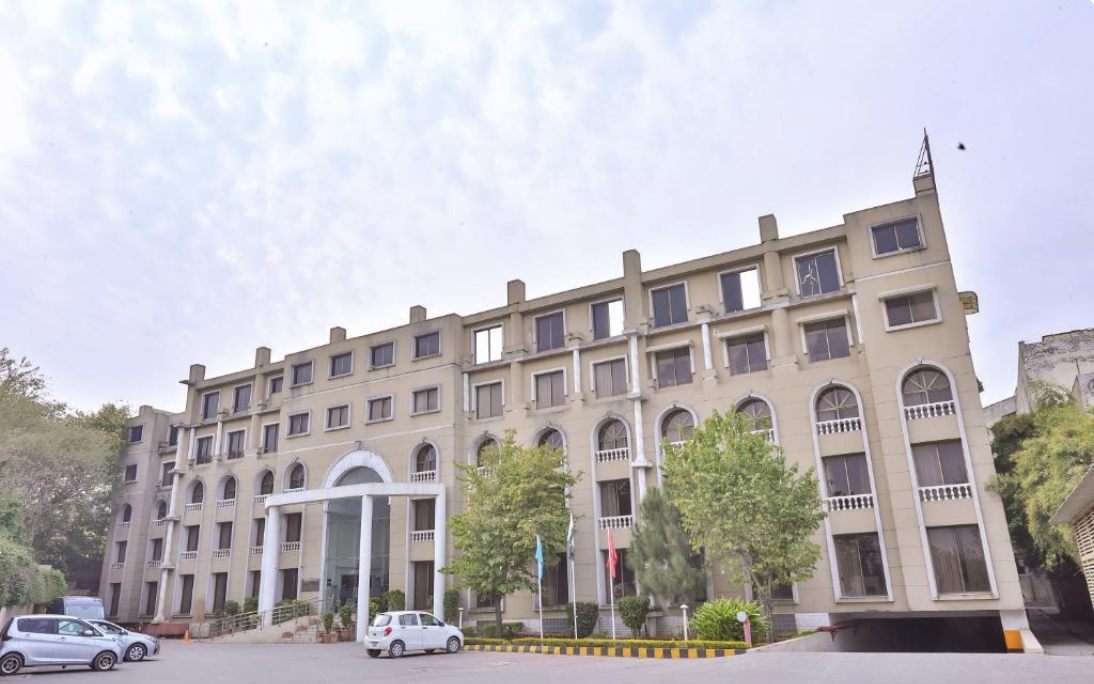
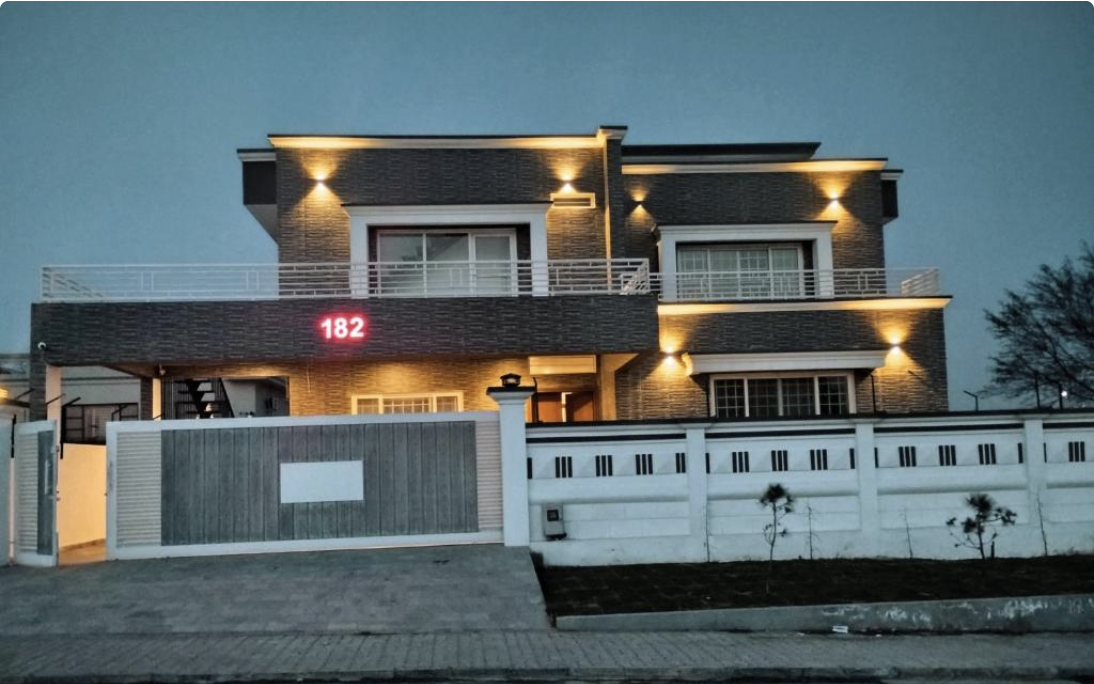
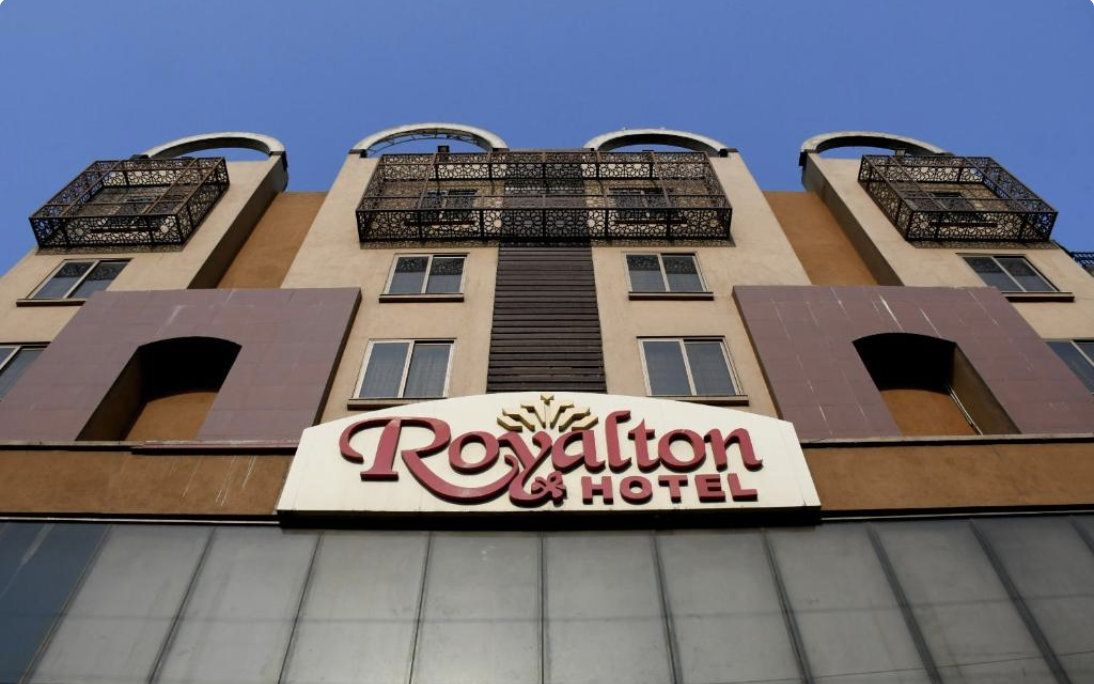
Where to Stay in Rawalpindi
This page contains affiliate links — Amazon Associates and CJ Affiliate (AliExpress, Booking.com). We may earn a commission on qualifying purchases at no extra cost to you.
Rawalpindi Travel Guide – History, Food & Attractions
Rawalpindi, commonly known as Pindi, is a city full of life, history, and character. Located in northern Punjab, right next to Islamabad, Rawalpindi offers a unique mix of old bazaars, colonial-era buildings, street food culture, and warm Punjabi hospitality. Rawalpindi’s history stretches back thousands of years. Archaeological evidence suggests that the area was once part of the ancient Gandhara civilization. Over time, it came under the rule of various empires, including the Mughals and Sikhs. During the British colonial period, Rawalpindi gained major importance as a military and administrative center. The British developed cantonment areas, roads, and railway infrastructure, shaping the city into a strategic hub. Today, Rawalpindi remains closely linked to Pakistan’s defense and administrative institutions. Rawalpindi is known for its energetic and welcoming culture. The city reflects traditional Punjabi values blended with modern urban life. Its people are friendly, expressive, and deeply connected to their roots. From the hustle of Raja Bazaar to quiet cantonment streets, Rawalpindi showcases diverse lifestyles. Religious festivals, weddings, and street celebrations are vibrant and full of color, while local markets echo with the sounds of daily life. Rawalpindi is a paradise for food lovers. The city is especially famous for its street food, where flavors are bold, portions are generous, and recipes have been passed down through generations. Popular dishes include chicken karahi, nihari, haleem, chapli kebabs, and gol gappay. Areas like Saddar and Raja Bazaar are well known for late-night food spots that never sleep. Rawalpindi is well connected to all major cities of Pakistan by road and rail. The city shares easy access to Islamabad International Airport, making it convenient for both domestic and international travelers. Within the city, public transport options include metro bus service, rickshaws, taxis, and ride-hailing apps. Most attractions are easily reachable, especially along Murree Road and in the Saddar area. Rawalpindi offers an authentic Pakistani urban experience — lively streets, historic markets, flavorful food, and friendly people. Unlike polished capital cities, Rawalpindi feels real, energetic, and deeply connected to everyday life. Whether you’re exploring bazaars, enjoying street food, or using it as a base to visit Islamabad and Murree, Rawalpindi is a city that welcomes visitors with open arms and unforgettable memories. Rawalpindi (“Pindi”) is known for its old-city bazaars like Raja Bazaar and Saddar, its military cantonment heritage, and its close twin-city relationship with Islamabad. October to March, when temperatures are mild; summers (May–July) are hot, often above 38°C. Rawalpindi and Islamabad function as twin cities connected by Islamabad Expressway and Metro/BRT bus service, with Islamabad International Airport serving both.Rawalpindi – The Lively Gateway to Pakistan’s Capital
History
Culture & Lifestyle
Top Tourist Attractions in Rawalpindi
Food & Street Flavours
Getting There & Getting Around
Why Visit Rawalpindi?
Frequently Asked Questions About Rawalpindi
What is Rawalpindi known for?
What is the best time to visit Rawalpindi?
How is Rawalpindi connected to Islamabad?
This page contains affiliate links — Amazon Associates and CJ Affiliate (AliExpress, Booking.com). We may earn a commission on qualifying purchases at no extra cost to you.