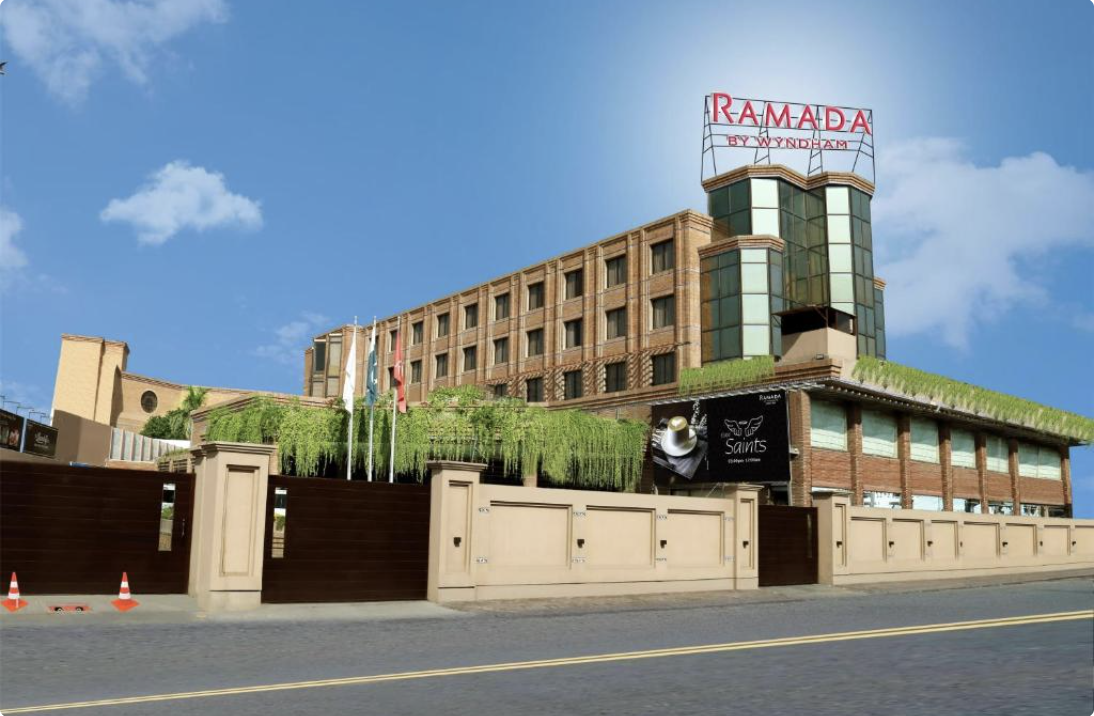
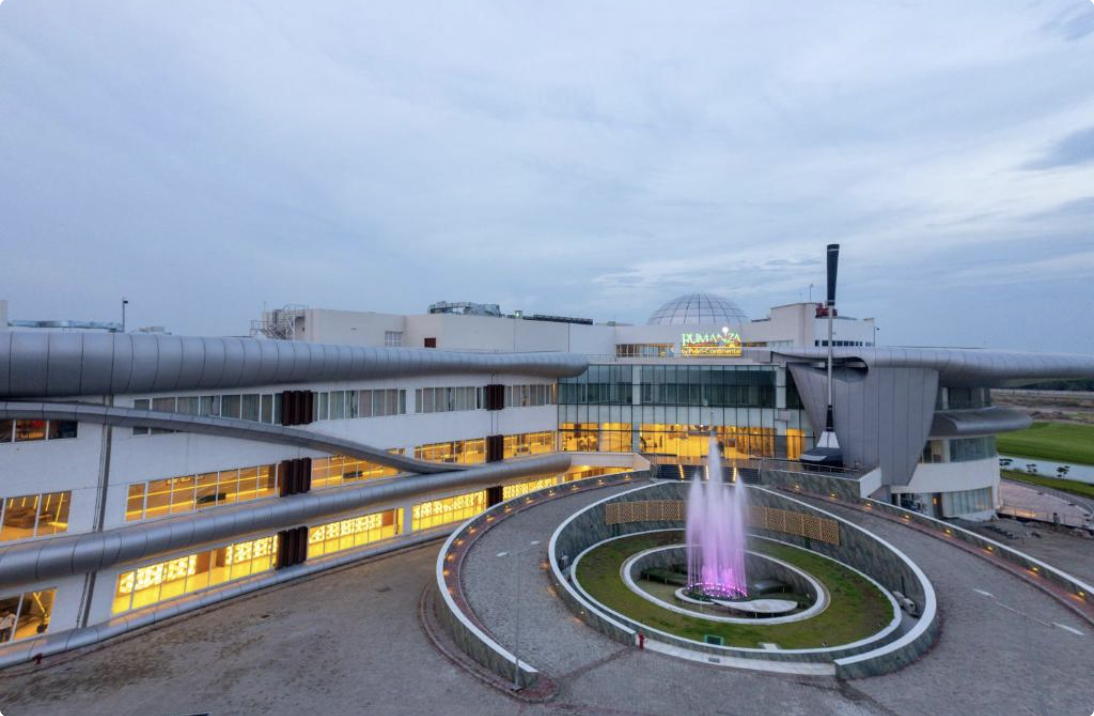
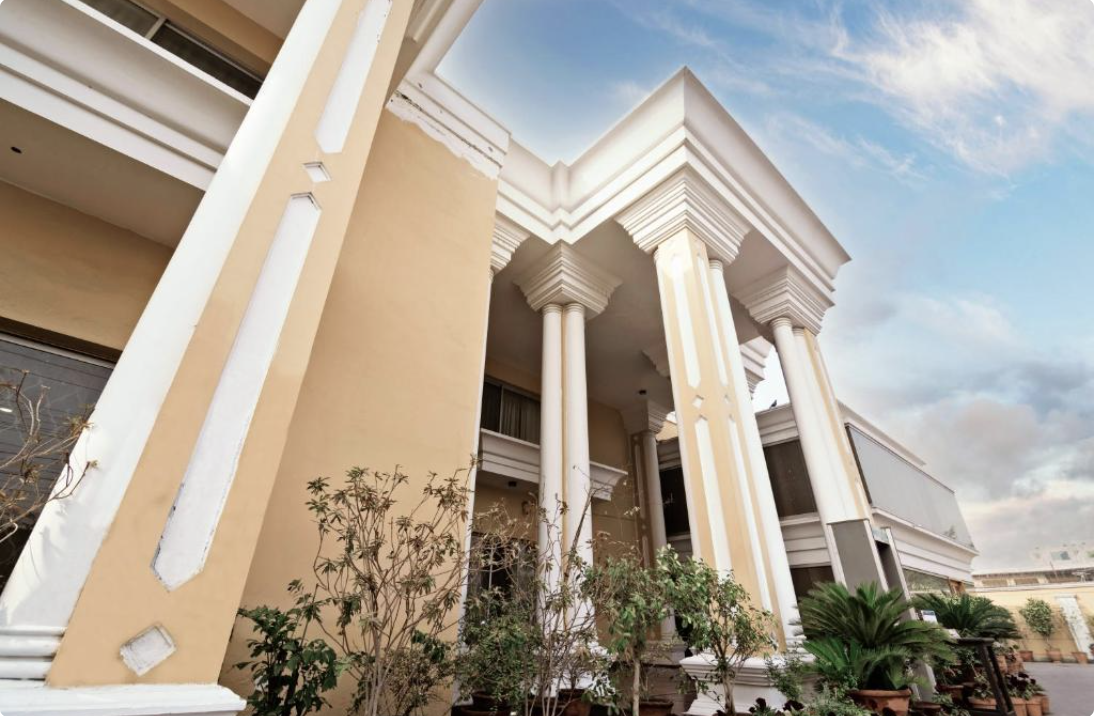
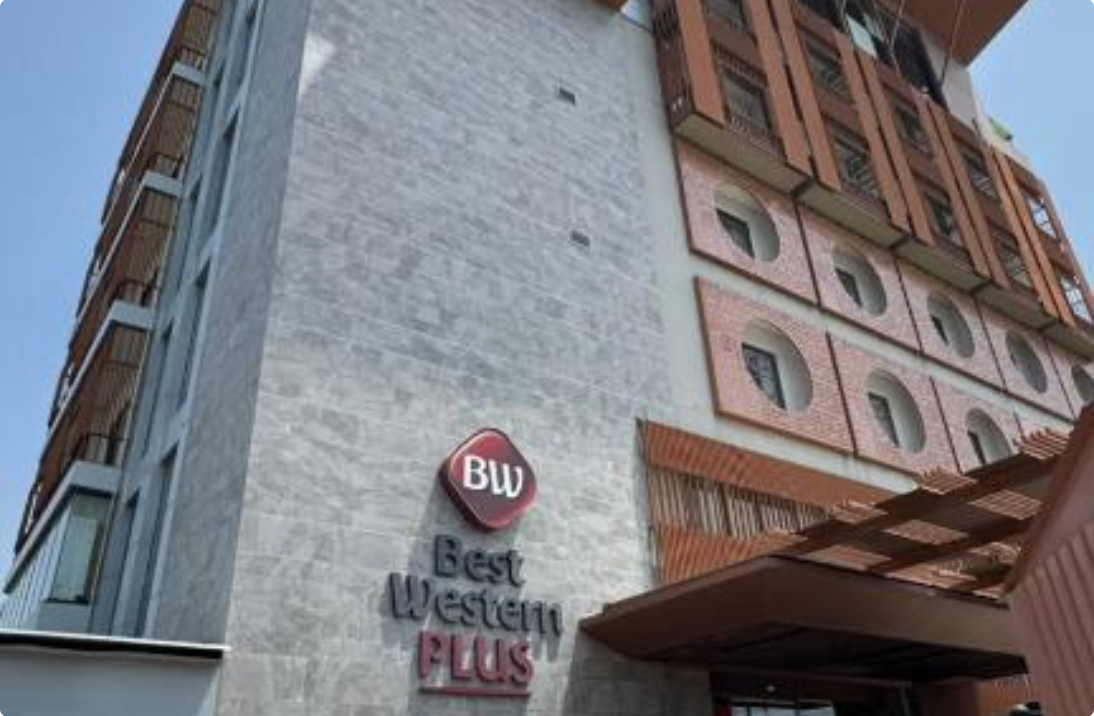
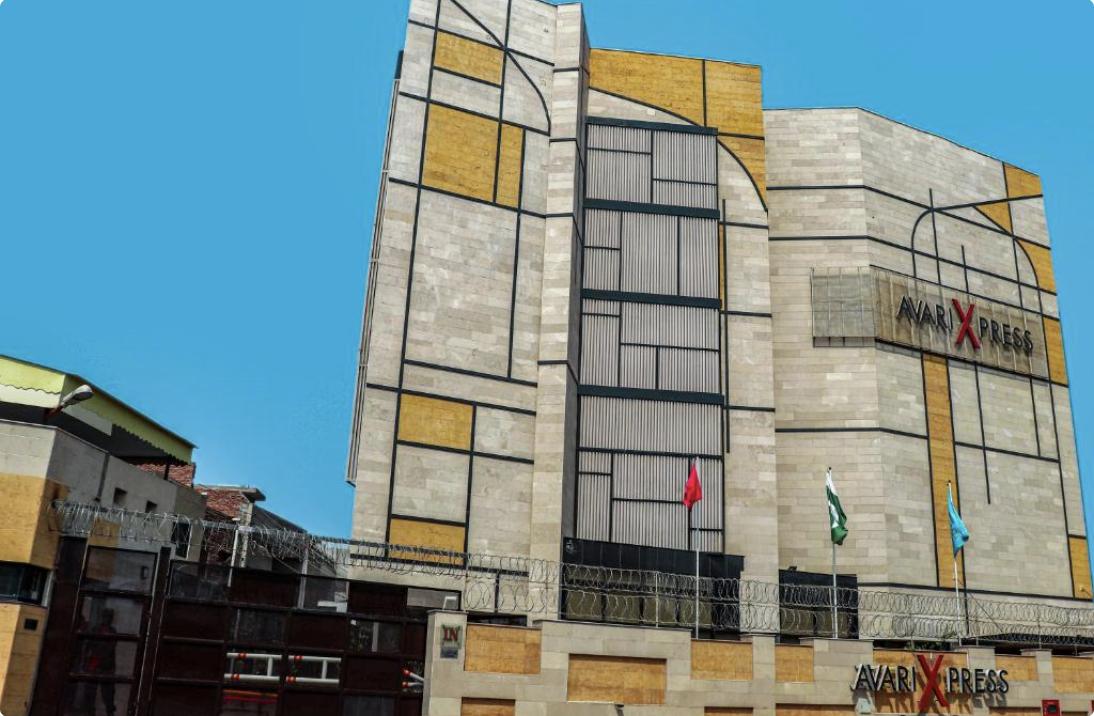
Where to Stay in Multan
This page contains affiliate links — Amazon Associates and CJ Affiliate (AliExpress, Booking.com). We may earn a commission on qualifying purchases at no extra cost to you.
Multan Travel Guide - City of Saints, Shrines & Culture
Multan is one of the oldest living cities in South Asia, located in southern Punjab, Pakistan. Known as the City of Saints, Multan is famous for its Sufi shrines, ancient history, vibrant bazaars, and rich cultural traditions. With roots stretching back over 5,000 years, Multan offers travelers a soulful journey through history, spirituality, and authentic Punjabi life. Multan’s history dates back to ancient civilizations and has witnessed the rise and fall of many empires, including the Achaemenids, Mauryans, Kushans, Arabs, Mughals, and the British. Due to its strategic location along historic trade routes, Multan became a major center for commerce, learning, and spirituality. Over centuries, the city emerged as a stronghold of Sufism, attracting saints, scholars, and travelers from across the region. This spiritual legacy still defines Multan’s identity today. Multan’s culture is deeply influenced by Sufism, reflected in its music, poetry, festivals, and daily life. The city is known for its warm hospitality, traditional Punjabi lifestyle, and artistic heritage. Multan is especially famous for its blue pottery, handwoven textiles, camel-skin lamps, and intricate embroidery. Urs festivals held at Sufi shrines fill the city with devotional music, qawwali, and spiritual gatherings. Multan is a paradise for food lovers. The city is widely known for its iconic Sohan Halwa, a rich and sweet delicacy loved across Pakistan. Other popular dishes include traditional Punjabi curries, barbecue, tandoori roti, lassi, and seasonal mangoes from the surrounding region. Street food in old Multan offers an authentic taste of local flavors. Multan is easily accessible by road, rail, and air. The Multan International Airport connects the city with major domestic and international destinations. Within the city, rickshaws, taxis, and ride-hailing services are commonly used. Exploring the old city on foot allows visitors to truly experience Multan’s historic streets and bazaars. Multan is not just a city — it is a spiritual and cultural experience. From centuries-old shrines and stunning architecture to rich handicrafts and unforgettable food, Multan offers something deeply meaningful for every traveler. Whether you are interested in history, spirituality, culture, or cuisine, Multan promises an authentic journey into Pakistan’s soul. Multan, the “City of Saints,” is known for its Sufi shrines including Shah Rukn-e-Alam and Bahauddin Zakariya, its blue pottery, and its mangoes. November to February. Multan is one of Pakistan’s hottest cities in summer, with temperatures regularly exceeding 45°C from May to July. Multan is famous for kashi (blue) pottery, hand-woven cotton textiles, and some of Pakistan’s best-known mango varieties grown in the surrounding orchards.Multan – The City of Saints, Punjab
History of Multan
Culture and Traditions
Top Tourist Attractions in Multan
Food and Local Flavours
Getting There and Getting Around
Why Visit Multan?
Frequently Asked Questions About Multan
What is Multan known for?
What is the best time to visit Multan?
What is Multan famous for producing?
This page contains affiliate links — Amazon Associates and CJ Affiliate (AliExpress, Booking.com). We may earn a commission on qualifying purchases at no extra cost to you.
This page contains affiliate links — Amazon Associates and CJ Affiliate (AliExpress, Booking.com). We may earn a commission on qualifying purchases at no extra cost to you.

Amazon's #1 lip care bestseller (18,600+ reviews, 4.6 stars) — SPF 30 broad-spectrum protection with shea butter to repair sun- and wind-chapped lips on long travel days.
Check price on Amazon →