Discover Pakistani Food
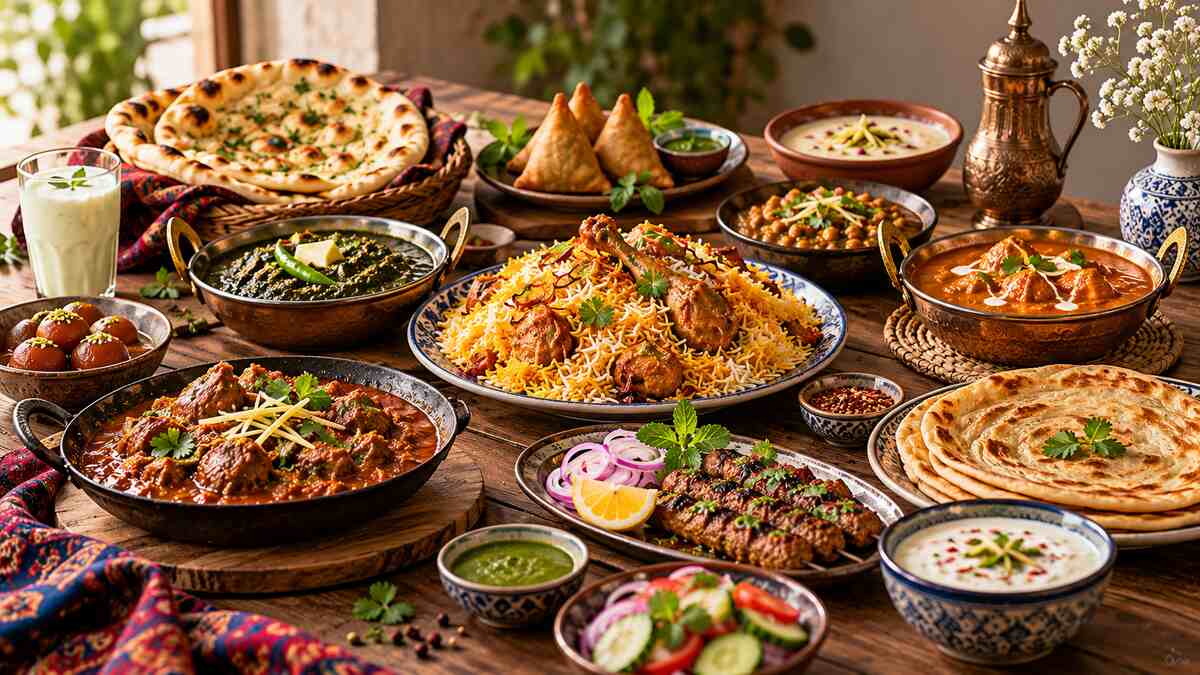
In Pakistan, a meal is rarely just a meal. It is a reason to gather, a way to welcome guests, and often the quickest route into a city's character. The country's food changes from province to province: slow-cooked stews in Punjab, grilled meats in Khyber Pakhtunkhwa and Balochistan, rich rice dishes in Sindh, and mountain breads and dried fruit in the north.
This Pakistani food guide is written for everyone, whether you live in Pakistan, are visiting family from overseas, or are arriving for the first time. You will find a mix of home cooking, traditional restaurants, roadside eateries and street food. Not every dish is fiery, and not every meal revolves around meat.
Quick Answer: What Should You Eat in Pakistan?
The best food to try in Pakistan includes biryani, nihari, chicken karahi, chapli kebab, seekh kebab, haleem, sajji, fresh naan or chapati, daal with rice, and sweets such as gulab jamun and jalebi. Which ones suit you depends on the region you are visiting, your diet and your spice tolerance, so start with milder dishes and share plates to sample more.
15 Must-Try Pakistani Foods
These are some of the most famous Pakistani foods. Most are available in several cities, with local variations, so treat the regions mentioned as common associations, not exclusive origins.
Main dishes
- Biryani: Layers of spiced rice and meat (often chicken, beef or mutton), sometimes with potatoes, cooked in sealed pots. It is aromatic, savory and usually served with raita (yogurt with cucumber or mint). Karachi is especially known for it, but recipes differ widely. Tip: Ask for a half portion to compare styles.
- Nihari: A slow-cooked beef or mutton stew with a thick, glossy gravy, often eaten early in the day with naan. Expect deep, warming spices rather than sharp heat. Lahore and Karachi both have devoted followings. Tip: Add ginger strips and lemon at the table.
- Chicken or mutton karahi: Meat cooked quickly in a wok-like karahi with tomatoes, ginger and green chili. Peshawar's namkeen ("salty") karahi keeps seasoning simple, while Punjab's versions are usually richer. Tip: Order by weight, and ask for it mild if unsure.
- Haleem: A thick porridge of wheat or barley, lentils and shredded meat, topped with fried onions, lemon and ginger. It is hearty and savory, and especially popular during Ramadan. Tip: Eat it with a squeeze of lemon and fresh naan.
- Paya: Trotters simmered for hours into a rich, gelatinous soup. It is a traditional breakfast and winter favorite, especially in Lahore. Tip: Go early, when it is freshly made.
Grilled foods and regional specialties
- Seekh kebab: Spiced minced meat shaped onto skewers and grilled, juicy and smoky. Found in almost every city, often at barbecue spots in the evening. Tip: Eat it hot, with chutney and naan.
- Chapli kebab: A flat, crisp-edged patty of minced meat with tomato, coriander and spices, strongly associated with Peshawar and Khyber Pakhtunkhwa. Tip: It is usually shallow-fried, so choose a busy place where batches turn over quickly.
- Sajji: A whole lamb or chicken marinated simply and roasted slowly over fire. It is tender and mild, and is closely linked with Balochistan and Quetta. Tip: Order with rice or flatbread, and share it.
Everyday and traditional foods
- Naan and chapati (roti): Naan is baked in a tandoor, while chapati is cooked on a flat griddle. They are the daily bread for scooping up curries. Tip: Fresh from the tandoor is far better than takeaway.
- Daal and rice: Lentils simmered and often finished with a sizzling garlic-and-cumin tempering. A comforting, inexpensive staple, and a reliable vegetarian choice. Tip: Ask whether it was made with ghee or butter if you avoid dairy.
- Sarson ka saag with makki ki roti: Mustard greens cooked down with spices, served with cornmeal flatbread. It is a Punjabi winter dish, so look for it in the cooler months. Tip: Pair it with lassi.
Street food and snacks
- Samosa and pakora: Samosas are fried pastries filled with potato or minced meat, and pakoras are vegetables or gram-flour batter fried until crisp. Popular with tea and at iftar. Tip: Choose ones fried in front of you.
- Chana chaat and dahi bhallay: Chickpeas or lentil dumplings tossed with yogurt, tamarind chutney and spices. Tangy, sweet and cooling. Tip: Raw toppings and chutneys vary in hygiene, so pick a busy stall.
Desserts and sweets
- Gulab jamun: Soft milk-based dumplings fried and soaked in cardamom-scented syrup. Very sweet and best served warm. Tip: One or two are usually plenty.
- Jalebi and kheer: Jalebi is a crisp, syrup-soaked spiral, while kheer is a creamy rice pudding with cardamom and nuts. Both are widely loved at celebrations. Tip: Eat jalebi fresh, while it is still crisp.
Pakistani Food by City and Region
The lists below are starting points, not complete menus, and many dishes are cooked well in several places.
Food in Lahore
Lahore is known for hearty morning meals such as nihari, paya and halwa puri, and for dishes like chargha (a whole chicken that is steamed, then fried). Traditional food streets, including the Gawalmandi area, are popular for evening eating. See our Lahore travel guide for more on the city.
Food in Karachi
Karachi's food reflects its size and mix of communities: biryani, bun kebab (a spiced patty in a soft bun), barbecue and fresh seafood near the coast. Busy markets such as Burns Road are famous for traditional eating. Read more in our Karachi guide.
Food in Peshawar
Peshawar is closely tied to chapli kebab, karahi cooked with minimal seasoning, grilled meats and large, freshly baked breads. Many of its eateries focus on meat. Plan your visit with our Peshawar guide.
Quetta and Balochistan
Balochistan is associated with sajji and other slow-roasted meat preparations, usually served simply with bread or rice. Learn more in our Quetta guide.
Islamabad and Rawalpindi
The twin cities bring regional cooking together, from everyday desi food in Rawalpindi's bazaars to restaurants and cafés in Islamabad, some with hillside views. They are an easy first stop for food in Pakistan. See Islamabad and Rawalpindi, and browse stays on our Hotels page.
Northern Pakistan
Mountain food depends on the season and the valley. In Hunza, travelers often encounter chapshuro (a meat-filled flatbread), walnuts and dried apricots, while other northern areas offer local breads and dairy-based dishes. Menus can be small outside tourist towns, so ask what is freshly available.
What Is a Typical Pakistani Breakfast?
A typical Pakistani breakfast might be halwa puri with chana (fried bread with a semolina sweet and chickpea curry), paratha with eggs or omelette, and sweet or milky chai. In some cities, people also start the day with nihari or paya. Breakfast varies by household, region, season and occasion.
To find a local breakfast without overspending, visit a busy neighborhood eatery in the morning, where fresh batches are common and portions are shared easily.
Is Pakistani Food Spicy?
Not always. Pakistani cooking uses aromatic spices such as cumin, coriander, cardamom and cloves for flavor, which is different from chili heat. Dishes can be rich and heavily seasoned without being hot.
Spice levels vary by recipe and restaurant. Ask for "kam mirch" (less chili) or a mild version, start with small portions of unfamiliar dishes, and have yogurt, raita or lassi on the table to cool things down.
Vegetarian, Vegan and Dietary Options
Vegetarian food in Pakistan is easy to find if you ask: daal, seasonal vegetable curries, chana, saag, rice dishes and roti are common. Vegetarian does not automatically mean vegan, because ghee, butter, yogurt and cream are widely used, and dishes may be cooked with meat stock or in shared oil.
If you have an allergy, tell the staff clearly and ask about ingredients and cross-contact; no dish can be assumed allergen-free. For halal needs, ask the establishment directly about ingredients and preparation, rather than assuming.
How to Enjoy Pakistani Street Food Safely
Street food is a highlight for many visitors, and a little care goes a long way. The CDC's food and water guidance for travelers recommends choosing food that is cooked fresh and served steaming hot. Practical habits include:
- Choose busy stalls with fast turnover and freshly prepared, hot food.
- Notice how food is handled and whether the area looks clean.
- Drink water from a source you trust, such as sealed bottles with an intact seal.
- Be cautious with ice and with raw produce washed in untreated water.
- Introduce unfamiliar foods gradually if you have a sensitive stomach.
- Wash your hands before eating, or use a sanitizer with at least 60% alcohol.
- Seek medical advice if symptoms are severe or do not improve.
Street food is not inherently unsafe, but no single stall can be guaranteed safe.
How Much Does Pakistani Food Cost?
Costs vary by city, neighborhood, venue, portion size and date, and prices change quickly, so check menus when you arrive. As a rough guide:
- Lower cost: local eateries and street stalls serving daal, roti, chana, samosas and simple meals.
- Mid-range: family restaurants and traditional full-service dining, particularly for karahi and barbecue.
- Higher cost: premium restaurants, hotel dining and upscale barbecue venues.
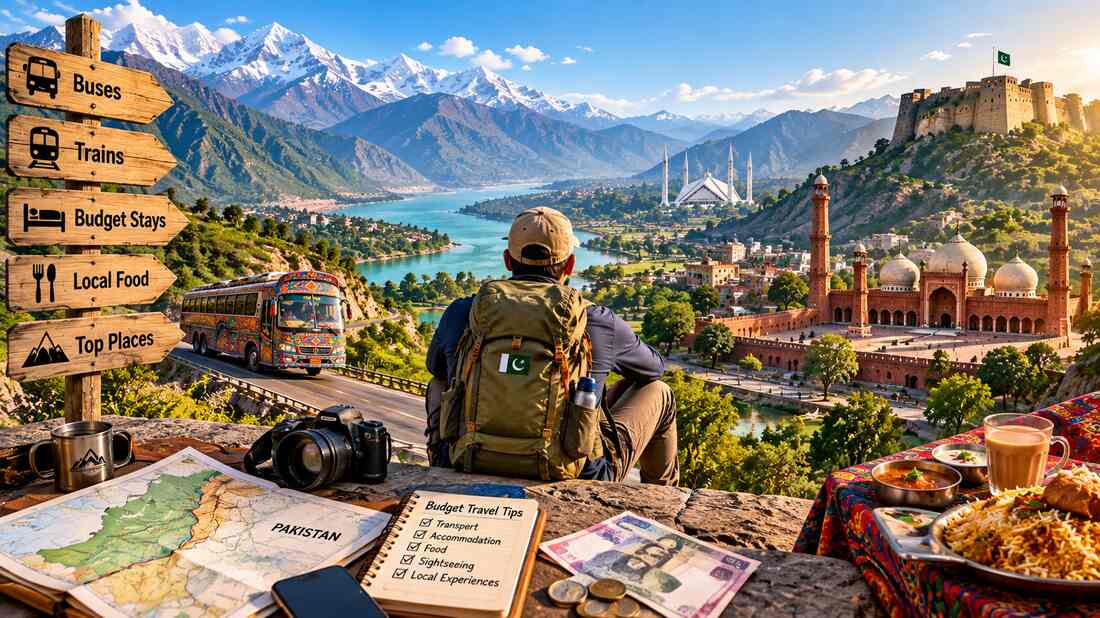
To save money, share dishes, order bread as you need it, and ask about portion sizes before ordering by weight. For more ways to stretch your budget, see our guide to traveling Pakistan on a budget.
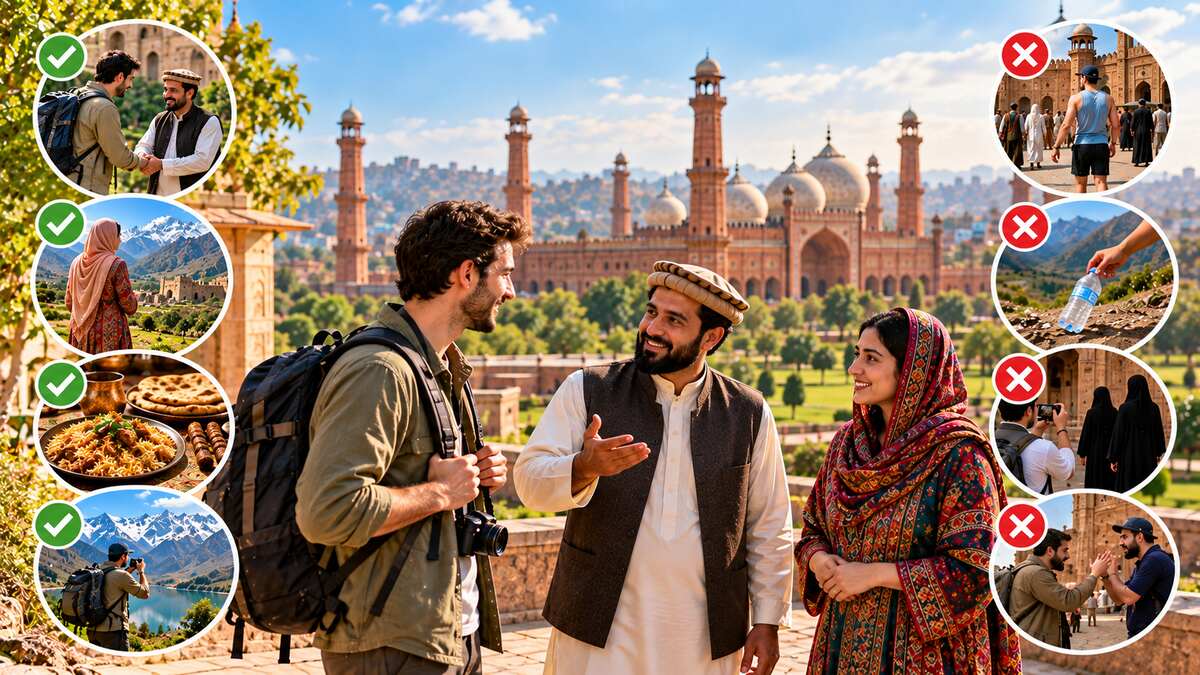
Pakistani Dining Etiquette: What Visitors Should Know
Customs differ between homes, restaurants and regions, and your hosts' preferences come first. Common practices include:
- Washing your hands before a meal, often at a basin near the table.
- Eating with the right hand in traditional settings, though cutlery is widely available.
- Using bread to scoop up curries and dals.
- Waiting for elders or hosts to begin, and accepting a second serving graciously.
- Asking before photographing people or private gatherings.
- Checking whether service is included, since tipping practices vary.
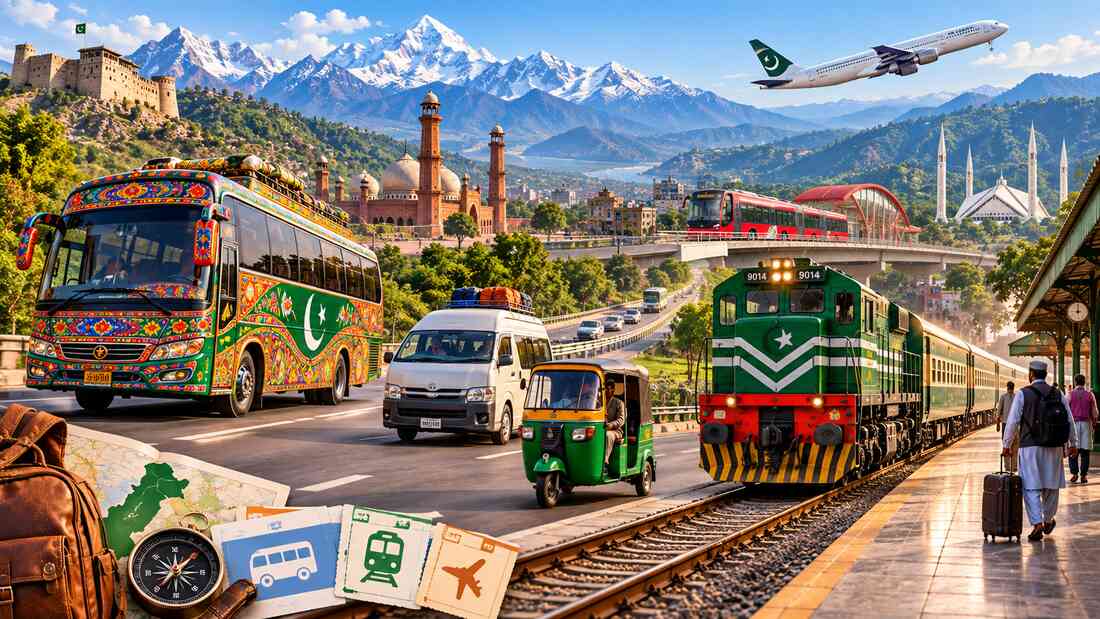
New to the country? Our Ultimate Beginner's Guide to Traveling in Pakistan will help with first-time planning.
Frequently Asked Questions
What is the most famous Pakistani food?
Biryani and nihari are among the most widely recognized Pakistani dishes, along with karahi and seekh kebab. No single dish is universal, since favorites depend on the region and the occasion. Biryani is the easiest place to start if you want a dish that is popular almost everywhere.
What food should a first-time visitor try in Pakistan?
Start with biryani, chicken karahi with fresh naan, seekh kebab and daal. Add one regional specialty from the city you are visiting, such as chapli kebab in Peshawar or sajji in Quetta, and finish with a sweet such as gulab jamun or jalebi.
Is Pakistani food always spicy?
No. Many dishes are rich and aromatic rather than hot, and chili levels vary by recipe and restaurant. You can ask for less chili, order milder dishes such as daal or sajji, and keep yogurt or raita nearby to balance stronger flavors.
What Pakistani foods are suitable for vegetarians?
Daal, chana, saag, seasonal vegetable curries, rice, roti and chaat are common vegetarian options. Check whether ghee, butter, cream or yogurt are used if you are vegan, and ask about stock or shared cooking oil if strict avoidance matters.
What is a traditional Pakistani breakfast?
Common choices are halwa puri with chana, paratha with eggs or an omelette, and chai. Some regions also serve nihari or paya early in the day. Breakfast differs by household, city and season, so ask locals what they usually order.
Is Pakistani street food safe for tourists?
Many travelers enjoy it, and risk can be reduced by choosing busy stalls with freshly cooked, hot food, using trusted water, and being careful with raw produce and ice. Introduce new foods gradually, and seek medical advice if symptoms are significant or persistent.
How can travelers eat Pakistani food on a budget?
Eat where locals eat, share main dishes, and make daal, roti, chana and street snacks part of your day. Choose family-style meals over hotel dining, and ask about portion sizes before ordering by weight.
Final Thoughts
Eating your way through Pakistan is one of the most rewarding ways to understand its regions, people and traditions. Start with the familiar dishes, ask locals what they recommend, and let curiosity guide the rest.
Explore Pakistan: Browse our destination guides and plan your next trip at Travelling Pakistani.
Explore more food and culture: Discover regional food experiences in our Food & Cuisine section.
Share your experience: What is your favorite Pakistani dish, which city did you enjoy it in, and what would you recommend to fellow travelers? Tell us in the comments below.
0 Comments
Be the first to share your thoughts.
Leave a Comment
Your email address will not be published. Comments are reviewed before they appear.